Adsense Link 728 X 15;
Showing posts with label Dog Tips. Show all posts

What to Do About a Puppy Who Resists Crate Training

Posted by Admin Monday, September 3, 2018 0 comments
The crate is one of the best and safest places for your puppy when you cannot keep 100% of your attention on the puppy. It will also prevent your puppy from developing unwanted problem behavior like chewing on your shoes or furniture, peeing on your carpet or jumping up to greet visitors. It also prevents the puppy from getting into life threatening situation like chewing on electrical wires!

Many puppies will make a fuss about being confined in a crate and this tears on the heart string of their new owners who tend to give into the puppies cry and release the puppy or try to comfort it in the crate. This is exactly what every new puppy owner should avoid doing when crate training a puppy as it will make the whole training process tough when it shouldn't be.


Here are more things to avoid doing when working on puppy crate training:

Never use the crate for punishment 
Never use the crate to confine the puppy for long periods of time while you are away right off the start.
Never give your puppy attention, that means looking, talking, or releasing the puppy when he/she is crying in the crate 
Never force your puppy into its crate


If you have done any of these things stop it right now or you'll never get your puppy to love the crate.

Here are quick steps to follow when crate training even the most resistant puppy:

Make the crate nice and comfortable for the puppy with a soft pillow or blanket.
Place the crate in a high traffic area like the kitchen and drop yummy treats in the back of the crate when the puppy isn't looking for the puppy to discover. Try also making a treat trail for the puppy from the outside of the crate to the back to tempt he puppy to go in the crate and discover the really good treats in the back of the crate.
Feed the puppy its meals in the crate always with the door opened.
With a heavy rope tie yummy stuffed chew toy, like the Kong, or a marrow bone, to the back of the crate so that the puppy has to stay in the crate to enjoy the chew toy.
After a few days of this type of crate training start teaching the puppy to go in on cue, I like to use "Go Bed", and throw a yummy treat into the crate, praise the puppy as it goes into the crate and eats the treat, then order the puppy out with a cue of your choice and praise the puppy when he/she exits. Do not give treats here just verbal praise and affection.
Repeat this a few times and then change the order of events. Cue the puppy to "Go Bed", Do Not throw the treat in and do not cue a second time! Wait for the puppy to go in. Patience is a virtue here if you wait long enough the puppy will go in eventually, only give your puppy the treat when he/she is in the crate.
If puppy doesn't go in end the session and try again in about 10 minutes. Go through step 6 again and when the puppy goes in (they all eventually go into the crate) give the puppy a double or triple treat, one at a time. Repeat this a few more times and end the session leaving the puppy wanting more, always leave them wanting more.

When your puppy goes in and out on cue start closing the door for a few seconds and treating through the crate door and then order the puppy out of the crate and repeat a couple more times keeping the crate door closed a bit longer.
Watch a movie or your favorite TV shows with your puppy. Prepare some extra yummy chews in to the crate and place the crate right next to your TV watching chair. Cue the puppy to go into the crate, when he/she goes in give your puppy the chews, lock the door and start the watching you movie or TV show.
Leave a few times to get some refreshments or popcorn but be sure to return in about a minute or so. This is your puppy's first experience at being locked in and it should be an easy and a good one.
Ignore any noise, whining or tantrums from the puppy, not a peep from you! 
When the movie or show is over and if the puppy is quiet and settled in the crate open the door and let him out. Do not make a fuss, and offer no attention to the puppy.
Never open the door is the puppy is acting up, scratching or misbehaving in the crate otherwise you will condition this behavior in your dog.
For the next few days work on locking in your puppy in the crate while you are at home going about your business for moderate periods of time, up to an hour or two. Ignore your puppy when it starts to fuss, always make sure there are lots of fun chews in the crate and always release you puppy when it's sitting or lying quietly in it's crate. Remember all the good things should happen in the crate and being released should be an anticlimax of the whole crate training experience.


There you go crate training that will even work on the most resistant puppies. Also be sure that the crate is a special fun and safe place for your puppy. Never use it as punishment or let children to taunt or bother the puppy when it the crate.

Some Thoughts About Caring For Puppies

Posted by Admin 0 comments
Caring for puppies is a big responsibility whether you are a seasoned owner or a new puppy parent. Yes, it gets easier with the second 'child' but the requirements for caring for a puppy or two are the same. This is why before you decide to be a puppy mom or dad, make sure you are committed to doing everything you can to ensure the well-being of your new bundle of fur.


What's for breakfast? 

One important responsibility of a puppy owner is to feed her with healthy, nutritionally balanced puppy food. You can opt for commercially made food products that are either dry (kibble type) or wet (canned). Then there are the natural puppy foods that you can prepare at home or buy from reliable manufacturers. Whichever type of puppy food you choose, make sure to ask for advice from your veterinarian.

Your veterinarian is the best person to tell you what your puppy's nutritional requirements are. This is based on the puppy's age, breed, and health condition. Some puppies are born with skin allergies so it is best to know what natural foods or commercially prepared food products they cannot tolerate.

Before the puppies reach the age of 4 months, feeding is done three times a day. On the fourth month, you can reduce the number of meals to two (breakfast and dinner). Never leave the food bowl out the whole day to avoid eating disorders. Fresh water should be made available to you puppy only until about 7 pm so she doesn't have the urge to go during the night.

Sleep

Puppies are like babies...they need lots sleep. Make sure that your puppy has a comfortable bed or a crate. Never allow your puppy to sleep on your bed. Otherwise, she will own that bed and you'll never get her off without a fight. When a puppy is sleeping, don't wake her. Some scientists say that it is during sleep that your puppy's growth and development happens.

It was an accident. 


All puppies must be house broken. Puppies usually need to do their business upon waking up in the morning and after naps as well as after meals. Patience and consistence are the keys to training your puppy to go on schedule and at the appointed place. Watch for signs that your puppy needs to go. They usually sniff around at a particular spot or turn around like a carousel. When you see these signs, bring her out for a bathroom break. If you don't want accidents to happen, don't let your puppy loose all day especially if you cannot watch her the whole time.

Puppy pre school. 

You are your puppy's first teacher. For her to be a well-adjusted member of your family, puppy training is important. Housebreaking is usually the first thing your puppy needs to learn. Then there is crate training. This involves teaching her that the crate is her special place. In her crate she should have comfortable bedding, a chew toy or two and water just outside it. Another important thing to teach your puppy is wearing a collar and walking on a leash. A puppy that is trained to walk on a leash is a joy to cruise around with in the neighborhood. Leash training is also a foundation for teaching your puppy more advanced commands.

Bad puppy, not! 

There is no such thing as a bad puppy, just as there is no such thing as a bad child. Puppies are just being true to themselves. They love to chew, bark, jump up and go whenever and wherever they feel like going. It is your responsibility to train your puppy as to which behaviors are acceptable in your home. Dogs in generally love to please their masters. Therefore, by training your puppy early on what is acceptable behavior and eliminating bad ones, she will grow up to be an adult dog who's main mission in life is to please you.

Do I look good? 


Grooming is also part of caring for puppies. Puppies don't really need to be bathe unless they rolled around in the mud. You can use a damp terry to wipe away dirt and a dry one to well, dry her coat. For puppies will long and curly hair, comb the tangled fur. Use a nail clipper specifically for puppies to cut those sharp little nails. Brush your puppy's teeth with a little doggie toothpaste and a puppy toothbrush. Clean her ears once in awhile.

What's up doc? 

Make sure to bring your puppy to your friendly neighborhood vet for vaccinations as well as well-puppy check-ups. If you have any questions, don't hesitate to seek your vet's advice.

Everyone wants to shower their puppies with love and care. To love your puppy means to care for her needs. This can, at times prove expensive (veterinary visits and food) and downright tiring (training and cleaning up after a pup). However, the love that a puppy returns to her owner can never be measured. With a bit of patience, understanding and consistency in how you care for her, you will be rewarded with a healthy, well-behaved and extremely loyal friend for life.

Learn How to Litter Train You Puppy Easily and Fast

Posted by Admin 0 comments
Puppy litter training is the newest trend in puppy training. Litter training is another method for toilet training a puppy. If you live in a high-rise apartment or live in the cold and snowy place you can litter train your puppy. Whatever reason you want to litter train your puppy, it can be done a puppy can be trained to use a litter container just like a cat.


Reasons to Litter Train Your Puppy

I have never litter trained my own puppies because I prefer to walk and toilet train my puppy, I understand that certain conditions might prevent puppy owners from walking the puppies often enough to get them to toilet train their puppy. If you are elderly and cannot walk long enough or you work long hours and are not able to walk your dog often enough, litter training your puppy can be the best thing for you.

Puppy Litter Training Box Choices


Though there are many different puppy litter boxes available from expensive ones, like "Ugodog" or grass turf to toilet train your puppy, to an inexpensive version for your puppy like you would use for a cat. The only difference is that you need to get a bigger box than you would if you have a larger puppy.

Things to Consider when Puppy Litter Training


Keep in mind when litter training your puppy that the size of your puppy is going to become a factor. Larger puppies require larger boxes or puppy pads. The reason for this is larger dogs require large boxes, and large dogs end up with... well larger things come out of them. So litter training a large dog might not be the best way to housebreak your puppy. But if you choose to toilet train your puppy with a litter box you need to know how to set up the puppy box.

Setting up your puppy's litter box is much like setting up a litter box for your cats. You need to get a large tray that is big enough for your puppy to maneuver in. Get the same kind of granules that you would buy for your kitty litter box and fill the tray with it. You want to make sure that the tray is deep enough to hold enough granules to enable them to absorb your puppy's urine, yet low enough to allow your puppy to comfortably climb into it and use the toilet. You should get the kind of kitty litter granules that absorb the puppy's urine and form hardened clumps that are easy to scoop out and throw away with the poop.

Teaching your Puppy to Use a Litter can be just as tricky as paper training your puppy. You should use your training crate to hold your puppy until you are sure that he will always go to his litter tray to do his business. This can take a while and as your puppy is outside of the training crate, you need to watch your puppy at first. If you see that your puppy is starting to squat or lift up his leg, you need to direct him to his litter box before he does it. That is the best way.

If you see the mess already, put him in the training crate. Leave him in there for a while. Keep in mind, when your puppy does his business other than in his litter box, tell him "NO!"

Praise and reward your puppy every time you see him do his business in his litter box. Tell your puppy "good boy" or "good girl" when he goes to his or her litter tray without your guiding him or her. Give him a treat and he will eventually learn that this is the puppy toilet.

Keeping the litter box clean is very important to make your puppy comfortable doing his business in there. The right granules will solidify when they come in contact with urine. These solid clumps can easily be scooped up and thrown away with a proper scooper. The proper litter scooper is a sifted scooper, which has slats that allow the dry litter to fall back into the litter tray but hold the clumps that are too big to fall through the slats. This means that you are able to pick up the urine clumps together with the poop and conveniently throw it into the garbage, like with a cat litter box. Make sure that after cleaning your dog's litter box, the granules are spread evenly. You should add new granules occasionally.

Remember. It's all in the litter training. Puppies usually learn quickly if you are persistent. If you choose to litter train a larger dog, you will still need to take him for a walk so that he can get the exercise he needs.

How to Stop That Puppies Chewing?

Posted by Admin 0 comments
Puppies love to chew things, let's face it we have all had to deal with chewing puppies at one time or another. So you're trying to stop puppies chewing! How are you going to get it into his little head that furniture costs money and your hands, arms or any exposed body part are not chew toys for puppies. If you are like me, then it's kind of difficult to continuously harass the cute little pup for doing what is natural to him. Key to solving this issue is to ensure your new furry friend does not get too bored and also redirect his attention to less expensive or painful alternatives. So, the key to stop puppies chewing would be to let him chew, but find alternatives. The pup needs to teeth anyway and this puppies chewing is part of his teething process.


Why to Stop Puppies chewing

Puppies chewing behavior seems like natural behavior, right? Well yes and no. I suppose we can say yes puppies chewing behavior is normal, but no, puppies chewing on me or my valuable stuff is not normal. Bear in mind puppies don't deal in dollars and cents, so your expensive Persian rug or possessions are just chew toys or puppies. A good reason why you would want to redirect or stop puppies chewing on your valuable items is they cost loads of money. Also, if the puppy is just left to do whatever he wants, this is going to possibly lead to bad dog behavior as the puppy matures. Nip this bad dog behavior in the bud, to save yourself both physically and financially, further down the line. Stop puppies chewing on you or your stuff by providing good and effective alternatives for your puppy.

How to Stop Puppies chewing

You need to stop puppies chewing right away, or as soon as the little guy starts sinking those needle like "chompers" into things. There are some things you can do to stop puppies chewing behavior. For starters never shout loudly at your puppy. Secondly, never hit the puppy for any reason and always try control your anger around the pup. Do not focus your anger on the puppy. These actions will just confuse the young boy and will prevent him from understanding, what it is, he has done to upset you. Dogs and puppies don't see wrong and right like we do. If you want your puppy to grow into a well behaved dog, then some of the following pointers need to be noted.

Bad Dog Behavior Adjustment - This is really going to save your sanity and your back pocket. Do not stop the puppies chewing, but rather when you catch the little guy in the act, replace what he is chewing with suitable chew toys for puppies. When he accepts this and focuses his chewing on the chew toy, give him lots of praise. The pup needs to know that this is good dog behavior and what you expect. As usual you need to repeat this action until the puppy quits his bad dog behavior.

Your Puppy must be kept Busy - These little guys get bored very quickly. A bored puppy is going to chew, oh yes, it's like eating sweets for kids. Sure enough, teething will bring on puppies chewing more than usual to alleviate the pain and irritation associated with puppy teething. Make sure your puppy gets regular workouts. A tired puppy is going to chew a lot less and he will be a lot healthier for it as well. Make sure there are enough distractions for the puppy. There are loads of chew toys for puppies that you can purchase or just make up from old junk. The key is to keep the puppy interested in his chew toys and not your stuff if you want to stop puppies chewing. If you are home, play as much as possible with the little guy. I'm sure you will have a string of volunteers to do this in your home anyway.

Puppies are just great to play with.
Puppy Crate Training - If your job or daily routine means there is nobody at home during the day you are going to have to come up with some solution to stop puppies chewing. Crate training is a good idea here, as it will make your puppy become accustomed to a more confined space. That way you can limit access to your whole home and perhaps restrict your dog's habitat to one room of your home whilst there is nobody at home. Make sure to provide plenty of interesting chew toys for puppies and also be sure that he cannot tip over his water supply or worse still become trapped in it. Imagine leaving a toddler to his own devices for an entire day, I don't think that would be viable, but just imagine. Then use the same apprehension and preparation when doing this to your puppy.

Aversion Sprays to stop puppies chewing - Maybe you did not know this but puppies and grown dogs simply do not like the taste of Bitter Apple or Cayenne Pepper. There are plenty of good sprays available which you can buy. To stop puppies chewing, simply spray the valuable items that you do not want puppies chewing with these sprays. The puppy will soon lose interest in chewing the sprayed items as the taste will not be good to him.

In order to save your fingers and your possessions you will need to do some or all of the above to stop puppies chewing. In a nutshell it's all about redirecting what gets chewed and what is ignored.

Most important to stop puppies chewing - Consistency
In order to really stop puppies chewing you need to remove any confusing signals that you may inadvertently be sending to him. For instance, don't give your pup stuffed chew toys for puppies and then expect him to ignore your children's stuffed toys or any other stuffed toys that may be in his area. The puppy is not going to be selective. He will just chew all stuffed toys he can get hold of, because they are OK to chew on, aren't they? Rather remove all temptation from your pups area. Yes be stern with your pup, he needs to know who the Alpha Dog is. But also be fair. The pup just wants to please you and if you let him, he will do even more than that. He will make your belly ache with laughter at some of his silly antics. Puppies are really great fun and please always appreciate that innocent commitment and dedication that they give you, return the favour. Good luck with your puppies chewing and may all his chewing be on the right stuff.

5 Easy Puppy Training Tips

Posted by Admin 0 comments
Who does not love puppies? Of course, every one of us would like to own puppies because they are man's best friend. Having a puppy does not only bring fun to a person's life but it also comes with new responsibilities. These responsibilities should not be neglected instead these must be one of your priorities. Yes, puppies are cute but there is a higher possibility that they can be a nuisance at your home if they are not trained well. They can be a threat to your visitor if they are not properly taught. For you to have a fun and enjoyable time with your puppy here are 5 easy puppy training tips that would be helpful to you.

Tip 1. Never leave your puppy unattended. If the puppy is not well trained, he tends to follow his instincts by biting your sofa, peeing on the floor, climbing on your bed, and others. To avoid this, you must keep an eye on him and train him not do these things. If you do not have enough time to oversee your new puppy, you can try getting a dog kennel of highest quality.


Tip 2. Expose your puppy to the outside world. Let your dog socialize by bringing him into the park where there are lots of people as well as other dogs. But before bringing the puppy at some crowded places, your puppy must already be used to being touched or patted by strangers. If you plan to bring your puppy to the vet for a check-up or to the pet shop to be groomed, you must check the puppy's teeth, pat the paws, hold the belly, and stroke the ears before proceeding to the shop. With these, your puppy will not be conscious when you bring him to the vet, the groomer, or if some children wants to touch your puppy.

Tip 3. The effective puppy training tips include the use of hand signals and motivation. Hands signals will help tell the puppies what their masters want them to do. Since dogs are very good at reading body language, it is most advantageous to teach them when they are still puppies. Motivation is another factor that hastens the training pace of your puppy. Positive reinforcements are highly recommended when training your puppy the basic skills like sit, roll over, and lie down.

Tip 4. Feed the puppy on a regular schedule. If the puppy knows the specific time to eat, the puppy will be trained to be never violent with his bowl when eating. In this training, obesity of your puppy can also be prevented. If the puppy knows his feeding schedules, it follows that he will easily learn to obey a command such as stop, sit, and move.

Tip 5. You must never appear dominant for your puppy when training him. Show him leadership not dominance. Teach your puppy to just lie with their belly instead of the "Alpha roll".

Of these 5 easy puppy training tips, the most important is letting your dog learn how to socialize. Remember to always pat his head, rub his warm belly and touch his whole body so he could automatically adjust should other people give him a pat on the head.

Everyone wants to have his own dog. But it is wise to already bring a dog in your house while he is still a puppy. A puppy can be easily trained as you can teach him a specific behaviour you want him to possess. Crate training puppy is the most efficient and effective way of training a puppy. What is crate training? Is it easy to do? These are some questions you may ask yourself.

What is crate training?
Your dog should learn to love their crate so that they won't pee or destroy it. Crates for them should be their safe haven or their special den. During the training you must prepare the following,

a)an appropriate crate for your puppy,
b)diary and pen,
c)toy and
d)rewards or treats.

The crate should not be too large since having a huger crate for your puppy will encourage him to pee on one end and sleep on the other. Crate training puppy would be enough for your puppy to learn when and where to pee or poop. Through this training he will learn to control his bowel movement. In the future with the help of this training, you can already leave him unsupervised and run free on your house.

How to do it
Immediately put your puppy in the crate after he arrives at your house. Don't let him free when he's unsupervised because he will surely chew on your sofa and poop everywhere without proper training. The puppy must only stay at the crate for only a short period of time. Locking him up in the crate for longer periods will just worsen the behaviour of your puppy. Never let the puppy out when he is just fussing. If you let him out, you teach him to just fuss enough so he could get out of the crate. Give him lots of rewards like toys when he is in the crate. For two hour intervals, let him out and bring him to a place where he could eliminate. If he doesn't poop then bring him back in the crate. Give him rewards or some treats when he poops the time you bring him out. As a reward, you can also let him run free in your house longer than the usual time.

Get your diary and record the time when he usually does his peeing and pooping. Use this as your basis on when to let him out to eliminate. Always praise him whenever he follows your command. If you already identify the specific time that your puppy pees, usher him to the right spot to pee. After several tries of this routine, he will learn when to pee and where. If you can observe a great improvement with his behaviour, you can lengthen the time of his exposure to the outside world and take him to a walk. In the crate training puppy, you need to avoid having mistakes because you have to go back to the training process for several weeks or even months if you fail to use it properly. Don't leave him alone even if he is in the crate. If you need to go to the living room, take him with you by putting him on a leash. If you haven't observed any improvement after several months of training, you need to go back to the start of training process because you may have made some mistakes during the process. Remember, don't get mad at your puppy and don't be cruel if he messes up. Lastly, don't let the puppy see you cleaning his mess.

What to Do About a Puppy Who Resists Crate Training

Posted by Admin Saturday, September 1, 2018 0 comments
The crate is one of the best and safest places for your puppy when you cannot keep 100% of your attention on the puppy. It will also prevent your puppy from developing unwanted problem behavior like chewing on your shoes or furniture, peeing on your carpet or jumping up to greet visitors. It also prevents the puppy from getting into life threatening situation like chewing on electrical wires!

Many puppies will make a fuss about being confined in a crate and this tears on the heart string of their new owners who tend to give into the puppies cry and release the puppy or try to comfort it in the crate.


This is exactly what every new puppy owner should avoid doing when crate training a puppy as it will make the whole training process tough when it shouldn't be.

Here are more things to avoid doing when working on puppy crate training:

 Never use the crate for punishment 
Never use the crate to confine the puppy for long periods of time while you are away right off the start.

Never give your puppy attention, that means looking, talking, or releasing the puppy when he/she is crying in the crate 
Never force your puppy into its crate

If you have done any of these things stop it right now or you'll never get your puppy to love the crate.

Here are quick steps to follow when crate training even the most resistant puppy:

Make the crate nice and comfortable for the puppy with a soft pillow or blanket.

Place the crate in a high traffic area like the kitchen and drop yummy treats in the back of the crate when the puppy isn't looking for the puppy to discover. Try also making a treat trail for the puppy from the outside of the crate to the back to tempt he puppy to go in the crate and discover the really good treats in the back of the crate.
Feed the puppy its meals in the crate always with the door opened.
With a heavy rope tie yummy stuffed chew toy, like the Kong, or a marrow bone, to the back of the crate so that the puppy has to stay in the crate to enjoy the chew toy.

After a few days of this type of crate training start teaching the puppy to go in on cue, I like to use "Go Bed", and throw a yummy treat into the crate, praise the puppy as it goes into the crate and eats the treat, then order the puppy out with a cue of your choice and praise the puppy when he/she exits. Do not give treats here just verbal praise and affection.
Repeat this a few times and then change the order of events. Cue the puppy to "Go Bed", Do Not throw the treat in and do not cue a second time! Wait for the puppy to go in. Patience is a virtue here if you wait long enough the puppy will go in eventually, only give your puppy the treat when he/she is in the crate.

If puppy doesn't go in end the session and try again in about 10 minutes. Go through step 6 again and when the puppy goes in (they all eventually go into the crate) give the puppy a double or triple treat, one at a time. Repeat this a few more times and end the session leaving the puppy wanting more, always leave them wanting more.
When your puppy goes in and out on cue start closing the door for a few seconds and treating through the crate door and then order the puppy out of the crate and repeat a couple more times keeping the crate door closed a bit longer.

Watch a movie or your favorite TV shows with your puppy. Prepare some extra yummy chews in to the crate and place the crate right next to your TV watching chair. Cue the puppy to go into the crate, when he/she goes in give your puppy the chews, lock the door and start the watching you movie or TV show.
Leave a few times to get some refreshments or popcorn but be sure to return in about a minute or so.

This is your puppy's first experience at being locked in and it should be an easy and a good one.
Ignore any noise, whining or tantrums from the puppy, not a peep from you! 
When the movie or show is over and if the puppy is quiet and settled in the crate open the door and let him out. Do not make a fuss, and offer no attention to the puppy.
Never open the door is the puppy is acting up, scratching or misbehaving in the crate otherwise you will condition this behavior in your dog.

For the next few days work on locking in your puppy in the crate while you are at home going about your business for moderate periods of time, up to an hour or two. Ignore your puppy when it starts to fuss, always make sure there are lots of fun chews in the crate and always release you puppy when it's sitting or lying quietly in it's crate. Remember all the good things should happen in the crate and being released should be an anticlimax of the whole crate training experience.

There you go crate training that will even work on the most resistant puppies. Also be sure that the crate is a special fun and safe place for your puppy. Never use it as punishment or let children to taunt or bother the puppy when it the crate.

The Best Training For Puppies

Posted by Admin 0 comments
I love all sorts of animals, especially dogs and puppies. Whenever you see them they make you fall in love with them at first sight. This feeling makes us want them and we usually end up taking them home. But once we have brought them home we then come to our senses and didn't think the full thing through. It seemed such a good idea at the time. We quickly realise when the puppy is being naughty that we need to train our puppies.

However, if our puppy grows up with these bad habits then it can be very difficult to re-train them later in their life. The saying is true 'You can't teach an old dog new tricks'. Therefore the best option is to train our puppies. Our houses probably won't last much longer either without a bit of training for our puppies. Training our puppies can seem difficult and knowing where to start can be a problem. But what we need to find out is what is the best training for our puppies.


Not too long ago i brought a puppy home that I loved when I first saw her.

I also thought training a puppy will be a breeze. There's nothing to it. But I was mistaken. I was in the position that I had a puppy that I loved so much in such a short time but was very destructive. My house was being destroyed in days and knew that I had to train her quickly to save my home from ending up looking like a building site. But I didn't know where to start with training for puppies.

Looking through the TV planner i noticed that the dog whisperer was on.

So I thought this would be interesting and will watch it to see what useful ideas I could learn and put into practice myself. The program was about an ignorant and violent dog that was out of control. The lady owner was pregnant at the time and was struggling to look after the dog safely. Therefore to help out the situation the dog need to be trained. But by watching it I learned very little if anything because I think a lot of the secrets were cut out. So I still needed some training for my puppy.

However it was consistent that all the dog owners ignore the fact they need to train their puppy's which results in a naughty dog later in life. Training for your puppy is not easy and can be confusing but with a little help you can achieve anything and the effort is worth its rewards.

Therefore I needed to do a bit of research to find out how to train my puppy. The one thing I wanted to know was what is the best training for puppies.

From there I would have a starting point to expand on. There were many free downloads available but when i received them they were very reduced in quality. There was little information and tips in the documents and were simply just advertising themselves. However, I didn't expect any more for nothing. I would not recommend them but you can always check them out yourself. The harsh rule I found out is if you want something then you have got to pay for it.

So I started searching the internet just like you have done to see what ebooks I could purchase to use to help train my puppy. The content what was included was important to me so I knew that the basics of dog training were covered.

There was so much involved in training puppies and thought this is going to be impossible. Training for walking on a lead, where to do the toilet, not to bite or chew etc.

But i started following an eBook that I purchased which I have used to successfully train my puppy, friends and families puppies. The training for puppies eBook I bought is ideal for all breeds of dogs.

Training For Puppies

Teaching Your Puppy Their Name

The first thing in training for puppies is teaching them their name.


You cant do anything if your puppy doesn't know their name. Higher results are achieved if this training is completed several times a day for a few minutes just to strengthen your puppy's understanding of their name. Equip yourself with lots of treats and toys and put your puppy on their lead. The lead is used to give you some gentle control over your puppy's movements. Therefore if you lose their attention and they start to wander, you can stop them from walking away without running after them.

One thing that you must put across and is very easily missed is that you are in charge. It can be very difficult to put this across to a puppy because you don't want to scare them. But by putting you in charge and letting it be known it will become easier in the more advanced training sessions. Use your treats and toys to attract the puppy's attention and call their name.

If the puppy responds by looking at you then give them a reward. Next, hold the treat up to your face so the puppy has to respond by looking up at you. When your puppy looks up at you they are rewarded. Repeating this several times a day will decrease the time to take for your puppy to learn their name.

When you reward your puppy with a treat, also use verbal praise by telling your puppy that they are good. It may seem silly but it will be a boost for their confidence and they will recognise your voice better. If it's good for us then it will be good for them. Further in to the training the sound of your voice will be the reward and the rare treat is just a bonus.

This exercise should also be completed using a toy to attract your puppy's attention. Call your puppy's name and squeak their toy or tap their ball on the floor. Next try holding the toy up to your face and call your puppy's name. Fetch is a good game for using your puppy's name and is another good bit of training for your puppy to learn their name. By throwing their toy gently to (remember, they are on their lead so don't throw the ball to far!).

allow your puppy to chase their toy, and gently guide them back to you to continue the game.

The best results can be achieved by experimenting with different toys, treats and tones of voice to learn what works best for your puppy. You must remember to reward your puppy when they respond to their name. This is how they will come to know that this specific sound really is their name.

When you are confident of getting your puppy's attention and holding it for a short period of time, you could start to introduce new lessons and positions into your training sessions.

The training tip above is just one part of training for puppies. There are many more things to teach like how to walk on a lead otherwise this can be very embarrassing in front of the neighbours.

I have published the training of the name tip by teaching myself from the following ebook. So teach yourself, teach your puppy and help teach others. I hope you have as many successes and enjoyments with your puppies as i have. It's all worth it for what a puppy can bring to your life and family.

Puppy Socialisation - Having Fun With Your New Puppy

Posted by Admin 0 comments
Bringing home a new puppy is a bundle of fun. Puppy socialization is the most important thing you need to focus on before your puppy reaches the age of 12 weeks. This puppy socialization period is known as the 'window of opportunity' because it is the time period when puppies learn best how to cope with the unknown. Therefore, the more people, puppies, objects, noises and environments the puppy can be exposed to during this period, the better. Puppy socialization to these new experiences helps the puppy to be a lot more confident as an older dog when subjected to unfamiliar events.


A lot of puppy socialization can occur in the home environment - exposure to loud banging noises, such as clanging pots and pans, vacuum cleaners, washing machines, lawn mowers, etc.

Ask any visitor that comes to visit to handle the puppy all over; touching the paws and feeling in between the toes; playing with the ears; giving restrained hugs; playing with the mouth and opening the mouth placing your finger on the puppy's tongue.

If at all possible expose your puppy to children and teach them how to handle the puppy properly. Always make sure when children and puppies are playing together that they are supervised. You don't want the children to play too roughly with the puppy and you don't want the puppy getting so hyped up by antics of children and becomes out of control.

Puppy socialization can also include making funny faces and stupid noises at puppies; exposing them to skateboards, bikes, wheelie bins and other moving objects.

Noises of airplanes, loud machinery, children screaming, babies crying, radios blaring are generally everyday occurrences that your puppy may experience in later life. CD's are available with all sorts of noises, including thunder which is something that is not always available for the puppy to get used to.

Puppy preschool or kindergarten is a great avenue for socialization with other puppies of a similar age. However, the conflict arises from the question of puppy vaccinations "is it safe to take a puppy out during this time?" This is a dilemma because on the one hand you want to train your puppy to be sociable but keep the puppy safe at the same time.

Some opinions and advice will be to not allow the puppy outside of the home environment until he/she is fully vaccinated.

The risk of having a dog that is fearful and not well socialized to people and other dogs is a very real possibility if you follow this advice. Ultimately, as the owner of the new puppy, you need to weigh up the pros and cons of both sides and make that decision for yourself. I have seen the result from both sides, having had a dog who was dog aggressive as we were not able to attend puppy socialization classes at the time when he was a puppy (they simply weren't around) and having a dog who turned out to be completely sociable who also didn't attend puppy socialization class for the same reason.
If you do decide to attend puppy socialization classes do some research first and find one that you feel comfortable with. Puppy play should be strictly supervised - a puppy preschool can make or break your puppy. You might like to find out the following:

how much space is available for puppy play
whether the class instructor has any dog training experience
observe how puppies are handled
are positive reinforcement methods used to help puppies to learn
are the off leash puppy play sessions intermittent and carefully supervised or is it just a free-for-all
is there a restriction on number of puppies in a classThese are just a few questions to consider.

Whatever you do - if you are out and about with your puppy make sure you carry him/her in public areas and not allow him/her to walk on the ground as this is how they can pick up the nasty diseases.

Puppy socialization exercises can and should be fun for you as well as the puppy. Help the puppy to learn to associate good things with what you are doing. Using high value food treats is a great way to make this association, however be careful not to over-feed the puppy. Keep practice sessions short and sweet and finish on a good note.

For example, you might examine the puppy's ears, give a food treat and that session is over. Then a little while later you might play with the puppy's feet, give the puppy a treat and finish there. There is a lot of little socialization exercises that are easy to incorporate into every day life.

Don't overload your puppy with too much at once, and give him/her time out to be on his own in a crate or puppy play pen to settle and be calm, especially when there is a lot of activity with child play.

Having lots of fun with all of these socializing exercises helps the puppy to feel relaxed and calm about everything he/she gets exposed to and goes a long way towards building a strong bond between you and all family members.

Building a strong bond between you and your new puppy will ensure that you will have a dog who is safe, well-mannered and will become a valued member of the family and community. Discover how you can get things right from the start by claiming your FREE copy of 7 Keys To Having A Safe, Well-Mannered Dog Who You Can Take Anywhere And Be Proud Of.

Source: http://www.trainapuptime.com

Helpful Info on How To Remove A Tick From A Dog

Posted by Admin Thursday, August 9, 2012 0 comments
The majority of pet owners have identical difficulty - bugs. In the event you notice that your furry companion is frequently itching, this will turn out to be the primary warning that it has bugs. This might turn into a big difficulty for you personally and also for your own canine.

How To Remove A Tick From A Dog

In the event you reside not far from the forest or green park and so the furry friend is actually fond of playing outdoors, you may deal with another problem - bugs. These small pesky insects might be very irritating and can also bring about diverse health conditions. It is essential to keep in mind that mites attack not just pets, however people too. Thus, every moment you actually return from a walk in the forest you will have to carefully examine your own canine. In case you notice a dark brown seed-size blotch plugged into your furry friend it's certainly a tick.

Bugs suck the blood as well as spit saliva, which often might have microbes of various severe ailments. To stay away from conditions it is necessary to get rid of the blood suckers out of the epidermis. Any time eliminating a tick, it is necessary to end up being quite cautious and also stick to particular policies. Don't tear the bug simply because the stuck top of the head may lead to infection.

There are certain misconceptions concerning remove a tick from a dog. Essentially the most frequent error would be to apply alcoholic drinks, colognes, petroleum jelly, and so forth. to annoy a mite and thus make it to get out. You'll have to fully grasp that these kinds of options don't work and thus may even aggravate the scenario, simply because the bug starts to throw even extra saliva, that contains microbes.

For you to take away the parasite you'll need to have tweezers. Pet outlets supply specific equipment for removing blood suckers, but little forceps will do fine. The intention is to hold the insect as close to the head as you possibly can and get rid of the insect without mashing or tearing its body. Keep the bug and slowly pull out. It is good in case another person can hold and calm your pet in the course of the procedure.

Immediately after getting rid of the parasite, put it in alcoholic drink to eliminate. Use antibacterial apray to the area of attachment to prevent infections. The affected area might take some time to restore and can remain bald for some period of time. Soon after finishing the procedure rinse both hands properly plus cleanse the forceps. In case you aren't 100% certain that you can remove the insect it's better getting your furry companion to professional doctor.

To be able to stay away from attack of ticks vets suggest applying special ointments, particularly if the furry friend spends a lot of time in the open air. These ointments can wipe out present ticks and definately will help avoid new bugs from beating. These treatments might be found in animal outlets or perhaps on the internet. Before buying any sort of drugs make sure to seek advice from veterinary clinic. Whenever shopping online, don't forget to check out the stores track record, examine customer reviews as well as compare costs. Really good selling price contrasting may help a person pay less.

In the event you do not would like to neglect mite it's important to regularly examine your puppy. Put the fingers in the pet dogs hair, and therefore in the event you sense of little bumps, have a critical look at these.. If you notice tick, attempt to get rid of them as soon as you can.

source
Photo :
dog-obedience-training-online.com

Tags
How To Remove A Tick From A Dog

Help Your Dog Learn not to Bite

Posted by Admin 0 comments
One of the many problems that dog owners face is the biting issue. Sure, a puppy nibbling on your finger may be cute and just tickle a little, but as a dog gets older, biting can really become a serious problem. Many dog owners realize the danger that a dog bite can present- both to people and the dog. A dog bite raises more than just an issue with harm or danger. There is also the concern that if a dog bites someone else, you and your dog may be in trouble- legally.

Help Your Dog Learn not to Bite

Needless to say, biting isn’t only harmful, but dangerous. But why is it that dogs bite? Mostly, it’s often derived because your puppy and other puppies and dogs will play by biting and nipping at each other. When one becomes too rough, the others are quick to correct the other. This helps them learn the appropriate levels of biting. Unfortunately, when a puppy leaves their mother and fellow “playmates” to live with you, they don’t necessarily have that instinctive advantage of learning not to bite.

An opportunity to learn

Because your dog commonly only experiences mainly you and what you teach them, it’s up to you to correct this biting tendency in your puppy. Keep in mind that regardless of some old fashioned techniques like biting their ears or having to resort to other physical discipline, this may not be at all necessary. Rather it has to do with the way you treat them and the example you set early in their life.

The first step for any young dog is proper socialization. The most opportune time to begin socialization is around or before three months of age. During this time period, dogs develop the primary habits that will ultimately carry over into the rest of their lives.

Socialization includes a wide range of interactions. You will want them to encounter and experience other adults, children, and even dogs. During this process, many young puppies will be either very shy, or else aggressive. They may play, they might even retreat, but eventually, they will get used to the idea that there is more than just you and them in the world. This understanding helps to eliminate their fear of an unfamiliar face.


During the interaction, it is imperative your dog doesn’t become accustomed to biting. This applies to biting both humans and other dogs as well. Many young puppies are teething, and will chew on just about anything to relieve the irritation that goes along with this. While young puppy bites aren’t usually harmful because they aren’t fully grown, they can be regarded as “cute” or “it’s okay” by others, even children. But, it’s not okay at all. If your dog is chewing or nibbling on hands, feet, or even clothing, stop them, and instead take a step in a different direction.

This means that you should be providing appropriate toys to curb their biting desires. Chew toys, ropes, tennis balls, and even treats all help teach a dog when and what they should be biting on. Even as they get older, the need to chew and bite is often a reflex to the need to help scrub their teeth, so be sure that you provide them with that opportunity so they won’t be nibbling on your favorite pair of shoes.

Dogs will be dogs

Consider that dogs will always be dogs. They play, tackle, and even nip and bite each other. But fighting shouldn’t be allowed. During socialization, dogs learn a lot from you and their peers, including when biting is appropriate, and when it is too much. That’s why socializing with other dogs at an early stage is crucial to developing non-biting habits. During their interaction, other dogs will quickly alert their playmate that they are being too rough. Not to worry, because often times it is simply a yelp to alert them that they’ve been injured or sensed pain.

You can even practice the alert sounds, because if your dog bites you, even just a nip, yelp like you’ve been injured and play the part. You’d be surprised at how often your friend will instantly stop because they don’t want to hurt you. They may just be trying to play.

The experience with you

You need to be ready to stop your dog from biting. Don’t let young puppies chew on fingers, hands, or even your clothing. Even if you think it’s okay for them to bite you, it can definitely confuse them during their experience with others. By starting your dog off with some socialization skills and by giving them something that’s okay to bite, you can prevent them from biting anybody or anything they shouldn’t put their mouths on. After all, you don’t know where they’ve been.

Source
Photo : pets.webmd.com

Tags
Your Dog Learn not to Bite

Steps to Control Dog Aggression

Posted by Admin 0 comments
Something that we don’t often consider about dogs is that we don’t necessarily know what they’re thinking. One minute, they’ll be running, jumping, and licking your hand. But in a split second, they can decide that they want to fight a fellow playmate, or even worse, a person.

Steps to Control Dog Aggression

For instance, my border collie often fights with my friend’s basset hound (separating them is a challenge of its own). At first, I couldn’t figure out why, but then it struck me. The two dogs played wonderfully together when no one was around (I was watching through the window). They often sleep next to each other, and even chase one another through the yard while they play. But, when my friend or I approach to pet one or the other, they get mad at each other: A hint of jealousy perhaps, but it is difficult to understand exactly what they were thinking. Regardless, it has made interaction between the two decline to a very limited basis.

This raises the question of dogs and their aggression. Whether you’re visiting the local dog park or just over at a friend’s house to enjoy some company, dogs can sporadically become aggressive, and the worst part is that you may not even know when it will happen.

Protecting you

One of the most common stimuli of aggression is when a dog senses danger. Now, keep in mind that many owners have their dogs for that exact reason- to protect. They have the instinctive nature to love you and the unbreakable desire to protect you from harm. When out and about, another dog may want to simply explore or even meet you. But, to your dog, they may appear to be trying to do harm to you. They don’t always know the difference.

This is why socialization is imperative to a dog’s development. When you meet new dogs, familiarize yourself with both dogs at the same time. Pet them both, while restraining them both, along with your fellow dog owner. This definitely needs to be a group effort.

Mine! Mine! Mine!

Now, that brings about another important topic for dog aggression. Who’s in my space? Bedding, food, and even toys are all “mine” to a dog. The den, as a dog would know, is a private sanctuary where they have the desire and need to feel safe at all times. When another dog intrudes, even if they are harmless, it can raise aggression to dangerous levels.


Keep in mind that your dogs need to meet on neutral grounds. Territorial invasion is amongst your dog’s dislikes. So, it is in your dog’s best interests to always be introduced to another away from their own territory, such as in a park.

Unfortunately, aggression can be difficult to spot until it’s too late, which brings about the subject of spreading the aggressors apart. NEVER get between them. That is a definite “don’t do” interaction. You can be bitten or injured in the attempt. One of the safest and possibly best ways to stop a fight is to utilize water. It’s harmless to anybody, and definitely cools down a situation. How you dispense it is up to your intuitive thoughts.

Dog aggression and people

An uncommon, but dangerous issue is when a dog shows aggression to others. This can be dangerous, but it’s also important for any dog owner to be able to tell the difference between wanting to play (such as chasing a jogger or playing child) and attempts to intimidate or attack another person.

Do keep in mind that dogs are very protective of you, their loving owner, but it is also your job to protect those around you from your dog’s protective instincts. Perhaps the best way to introduce a new person is to positively interact with them. You may find your dog barking at first, attempting to scare an intruder away (especially when they ring the doorbell), but if you simply shake hands and act in a friendly manner, your dog can pick up on your attitude in the situation. A friendly handshake is always good. You may avoid hugging, though, since it may be taken as an attack. Instead, restrain your dog and allow them to watch while you interact with another person. Keep in mind that sniffing and inspecting are important before acceptance.

With small children, this can be difficult. Many times, youngsters may pull hair, ears, or even tails, causing pain to a dog. They may correct the child as they would their own pup, by nipping or biting. Because of the extreme danger that can present, if you have young children in the presence of your dog, avoid unsupervised situations where this can happen. Dogs are very curious creatures (even more so than cats), but children are much more, so take preventative measures to ensure that curiosity doesn’t get the better of either.

Dogs are very protective creatures. Some are aggressive, while others are passive, but we must always remember that they are our friends. So, it is up to us dog lovers and owners to help teach and prevent situations in which a dog might feel obligated to become aggressive. When you do this, you construct a happy, perfect home for your beloved pet.

Source
Photo : cesarsway.com

Tags
Steps to Control Dog Aggression, Dog Aggression, Dog aggression and people

Home Cooked Dog Food

Posted by Admin 0 comments
Home cooked dog food, Deciding to cook your own dog meals and use your own recipes is an important decision.

Home Cooked Dog Food

Now maybe you are wondering why?

Well here are a few good reasons:

Because home cooked dog food is not a balanced diet nutritionally, unless you know what you are doing.

It takes time to organize the right type of ingredients.

You have to freshly prepare food everyday unless you make everything in batches and freeze them.

Making sure the dog food is tasty enough and that your dog will like it.

You have to use tried and tested recipes that give you some sort of balance nutritionally.

You have to have some understanding of using the right combination of carbohydrates, fats and proteins.

You have to understand the different nutritional needs of different breeds.

About making sure that your dog is getting the right vitamin and mineral mix.

You have to know which foods are harmful to your dog and which are not.

You have to know which foods, if you feed too much of, can kill your dog.


These are just a few of the things you should know when deciding to feed and cook your own dog food and there are others.

Veterinary surgeons will often tell you that there is more trouble with dogs whose owners cook their own food simply because the dogs are lacking nutritionally and are more susceptible to disease.

Manufactured dog food is nutritionally balanced, as far as protein fats and carbohydrates, vitamins and minerals, however their ingredients can vary continually because of the changing cost of raw materials.

Many vets will try and persuade you to use the manufactured food in preference to home cooked simply because, they believe, there are less health problems and they often sell it themselves, which is a valid reason.

Like all foods, whether cooking and preparing for humans or animals, you have to be aware of the nutritional requirements of the end user or consumer. Professionally trained cooks or ones trained by other chefs have to know a great deal including the nutritional value of the food they are preparing. Most home cooked food may be wonderful to taste and look great, but it is not balanced nutritionally. This is just a fact and we are all guilty of this.


So why do we give our pets and animals manufactured food that is balanced and not get it right ourselves? We live far longer than our dogs, so as a consequence a dog ages more rapidly than we humans. Your pooch ages five to six times faster than you do so any problems with a nutritional deficiency shows up quicker in your dog than in you.

However despite the amount of effort it takes to cook your own dog food, I am a great advocate of home cooked dog food and I have fed this for many years without any problem.

Learn as much as you can before tackling the preparation of your own dog food. Making sure that home cooked food is safe for your pet and knowing all the pitfalls, as well as how to go about it, is easy if you do not rush the process.

By Ian Nicholson
Photo : stockforpetsblog.com
Source

Tags
Home Cooked Dog Food, dog food

Simple Puppy Training Techniques

Posted by Admin 0 comments
Simple Puppy Training Techniques, Bringing a new puppy into the home is a very exciting time. When a puppy is brought into the home for the very first time it will experience many different sights and sounds which can be very overwhelming and stressful for the little one. It is a time where the owner needs to help the puppy desensitize to the new environment and adjust in a positive way. The owner will need to put in the time and effort to train the puppy.

Simple Puppy Training Techniques

Although dogs can learn at any age, the critical learning period for a puppy is up to 16 weeks. It is important during this time to implement positive puppy training techniques. Below you will find some simple puppy training techniques to help your puppy adjust and become a happy and well-behaved dog.

Positive Reinforcement: This method of training is an important training technique. Using positive reinforcement means rewarding your puppy for good behavior. Such rewards can include: clicker training followed by a food reward and affection as a reward such as giving the puppy praise. Positive reinforcement makes a puppy feel secure, happy, and loved. Punishing your puppy or using negative reinforcement techniques will only cause the puppy to be afraid and act aggressive.

Dealing with Unwanted Behavior: It is important not to punish bad behaviour such as pulling on the leash, jumping on you, and barking. For instance, if your puppy is pulling you when walking, stop and stand there until it stops. Once the pulling stops, give the puppy a treat and continue your walk. Clicker training is a positive reinforcement training technique that rewards a puppy that behaves well. The “click” sound acknowledges the good behavior. The “click” sound is made as soon as the puppy performs the desired behavior. Right after the “click” sound, you can reward your puppy with a treat.

Simple Commands: To teach your puppy to sit, position him or her in front of you. With a treat in your hand, let the puppy smell it. Move the treat from his nose and draw your hand forward so that the treat is almost directly above its head. It will have to sit down to reach it. Don't hold the treat too high. As soon as the hind end rests on the floor, praise generously and give the puppy the treat. Repeat often.

Desensitize: Your puppy needs to become desensitized to new environments. Take the puppy for short walks through the neighborhood to get use to new noises, people, other dogs, cars, and other sights. To make sure your puppy become an aggressive adult dog, socialize the puppy with children and dogs at a very young age. When the puppy is playing with other dogs and children, praise and reward with a treat when the puppy behaves well. Children should gently pat the puppy to reduce fear.

Driving in a Car: A car drive can be an unpleasant experience for a puppy. They can drool, vomit, or urinate. Put familiar items in the car with the puppy such as its favorite toys and blanket. Take it for a short drive at first and then gradually make the drive longer.

It is wise to take your puppy to puppy training classes as these classes really help with teaching people how to properly train their dogs. The reward of properly training your puppy is a well behaved and happy life long friend.

Source
Photo : brookslabradors.com

Tags
Simple Puppy Training,Puppy Training Techniques, puppy training, training puppy

Overweight Dogs And What You Can do About it

Posted by Admin Tuesday, August 7, 2012 0 comments
Overweight Dogs And What You Can do About it, There is a reason why dogs are called Man's best friend. They need surgeries to fix some health conditions, they have dental problems, they get annoyed when their neighbor runs the lawn mower early in the morning, and they can also become overweight. Some dog owners believe that when their dog suddenly finishes its meal in a few seconds flat, it's starving. In some cases yes, it may be true, especially if the owner left the dog alone without any food for more than 8 hours. Usually owners provide their dog with a second helping, which may lead to it becoming overweight.

Overweight Dogs

Owners can determine if their dog is overweight by checking if the space between the ribs and the belly (the area from the base of the ribs and the dog's rear, otherwise known as a tuck-up) appears to be accumulating a lot of fat. It is important to remember that there are certain dog breeds that have relatively large waists at the start, such as beagles, Labrador Retrievers, and cocker spaniels. In order to be completely sure if their dog is overweight or not, dog owners can bring their pet to a veterinarians office for a check-up.

Once the veterinarian has diagnosed the dog as overweight, there are certain steps that the owner can do to help the dog lose weight. First is by slowly decreasing the amount of food being given to the dog, and eliminating any extra snacks or tidbits that are usually handed to it throughout the day. This can cause the dog to whine or complain - after all, wouldn't we do the same if we were suddenly given less amount of food than we usually eat? Owners can feed their dog twice a day to keep the whining to a minimum. If owners must give their dog a snack, it should be something healthy like an apple slice.

The dog should also be kept away from the table during mealtimes. Kids may mean well when they sneak a couple of beef slices to their beloved pet, but those extra slices can set a dog back when it comes to losing the extra weight.

Another important detail when dealing with an overweight dog is giving it enough exercise. Owners should schedule several walks around the neighborhood; not only will their dog get the chance to exercise, but owners also get to stretch their legs and enjoy a refreshing walk. Before planning a rigorous exercise plan for the dog right off the bat, be careful. Like humans, dogs can tire out easily if they haven't been walking, running, or moving about a lot, so they may pull a muscle or experience breathing problems. Owners should take things slowly, such as starting out with a brisk walk around the block before moving on at a faster pace once the dog builds up more stamina.

Dealing with an overweight dog isn't hard. All owners have to do is to put themselves in the dog's shoes. After all, fat is fat, whether you find it on your belly or on a dog's body.

By John Greer
Photo : designermixes.org
Source

Tags
Overweight Dogs, dog Overweight

Choosing a Dog Shampoo

Posted by Admin Monday, August 6, 2012 0 comments
Choosing Shampoo for a dog, As a dog owner, one of the more unpleasant recurring tasks in your life is the requirement to bathe your dog. Depending on your breed and the amount of outdoor time your dog has, this can happen as frequently as once a week, which makes the shampoo you choose to use on your dog extremely important.

Choosing a Dog Shampoo

The pet store likely has an entire aisle of dog shampoos that can be difficult to choose from. You might begin to feel a bit overwhelmed with the large selection of seemingly similar shampoos but there are differences between them and the shampoo you choose will have serious effects on the way your dog looks.

If your dog has fleas or has a tendency to pick up fleas when he romps outdoors, you'll probably want to get a flea killing shampoo. These can be a bit more difficult to use than other kinds of shampoos because in order to get the full flea killing effect, you need to leave the lather on your dog for several minutes. If you've ever been responsible for keeping a dog still in a tub for several minutes, you know how hard that can be.

Some dogs, on the other hand, have dry, itchy, sensitive skin and normal shampoos can aggravate those conditions and make the dog uncomfortable and unattractive. For this situation, you can purchase a dog shampoo that soothes the skin of the dog and moisturizes the skin to keep it from becoming flaky. These shampoos tend to have more natural ingredients and less chemicals.

If your dog is white or cream colored, you'll need to get a shampoo designed for light colored dogs. This is because dogs that have light colored fur tend to get dingy, especially when they spend a lot of time outdoors. They need a whitening shampoo to keep them from becoming too dingy.

Long haired dogs have a tendency towards knots and tangles and there are shampoos that are designed to help prevent and reduce the amount of tangling in the dog's fur, which can save you valuable time when you're brushing your dog.

If your dog lacks any of those issues, you can get a basic simple shampoo without any special ingredients. There are countless simple shampoos and you can choose any of those if your dog has no special issues and you can choose whichever shampoo you like and fits your budget.

There are many different kinds of dog shampoo and you need to take into consideration the needs of your dog when you're choosing which to purchase and use.

By: Vladimir Harrison
source
Photo : evolutionsupply.com

Tags
Choosing a Dog Shampoo, Dog Shampoo, shampoo for dog

Getting a Puppy What Do I Need?

Posted by Admin 0 comments
Getting a Puppy What Do I Need, New dog owners need to know all of the important things they are going to need to raise a happy and healthy pup. It isn't just about dog shampoo, there is much more to it. Luckily, you are reading this and we can help you out with a bunch of it.

Getting a Puppy What Do I Need?

Crates, Food, and Playing

The next thing you are going to need to consider is a crate. Every dog needs a crate, especially when they are going through the training phases. This is helpful for a number of reasons. This gives them somewhere for them to be that is comforting to them. This also gives you somewhere to put them when you need a bit of a break, but do not take it too far because living in a crate sucks.

You are going to need to make sure you have all kinds of other things like dog toys. Dog toys are great, but make sure that they are extra safe. Squeakers make a lot of dogs very happy and that may be the best way to go. If you get a thinking dog, maybe some sort of thinking games would be a great idea. They have plenty of those at the pet store, so make sure that you ask about them when you are there gathering the essentials.

They are going to need somewhere to eat and drink from, which means that you are going to find the best drinking and eating bowels out there. Dogs can be incredibly clumsy and if you do not feel like cleaning up mess after mess, finding ones that cannot be affected by movement and clumsiness will certainly help.

Puppy pads, dog harnesses, and the like

When you are training your puppy, you should make sure that there are puppy pads or newspaper down so that it doesn't mess up your house too much. Remember that it takes persistence and reliability to properly housebreak a dog, but it isn't rocket science. Just make sure you make the time needed to really bound and socialize with your dog, while making time to also train them in the best way possible.

Finding the best harness is incredibly important, so that you can hold your dog back when necessary. This especially helps when you are training your dog to behave themselves outside. This makes it easier to pull them back and they will be less apt to actually get loose, which cuts back on a few headaches that come from losing a dog.

These are just a few of the things you are going to need to consider when making purchases. Do not forget your dog shampoo and the basics, because they need to be clean, too. Just take the time to look into what you need and you should be fine.

By: Vladimir Harrison
source
Photo : anythingpet.blogspot.com

Tags
Getting a Puppy What Do I Need,New dog owners, Puppy pads, dog harnesses

Love Your Dog With Dog Treats

Posted by Admin 0 comments
Love Your Dog With Dog Treats, Lets make our dogs happy today with a variety of dog treats in our grocery store. Did you ever notice that there is a larger variety of dog treats than just a plain old bone? The pet's aisle in the stores has a large selection of treats for our dogs now a day.

Love Your Dog With Dog Treats

The treats that they have out for dogs today have all different type of flavors and names. They seem to be getting more like human food than for dogs. You know what I don't think that the dogs are complaining any about the different types of treats are out there.

They now get the choice of chicken, beef, vegetable, and cheese flavor in doggie bones. Oh yes lets not forget the bacon and pepperoni stick flavors. Then there is the good old large rawhide bone that almost always takes a dog quite a while to chew the whole way through.

To be honest I don't think that the puppies mind one bit about the different flavors or variety's that they come in. A lot of them will do many different types of activities to just receive one treat, such as sitting up or rolling over and even just give those puppy eyes to have you give in to them.

Did you ever figure on standing in the pet's isle for a while trying to figure out just what brand of treat your dog will eat? You end up standing there trying to figure out if they would want a large rawhide bone, small chewy bone, or sticks.

Some people will spend and outrageous amount of money so that their dog will only get the best treat to eat. But if you look closely at the treats there is not much of a difference in what is in them from the most expensive to the cheapest brand of treats. Yet some people will only get the treats by what is on the front of the box instead of paying attention to what is really in the box of treats for their dogs.

Really, does your pet care what is in the box all they really want is to be loved by their owner and given lots of attention?

Source
Photo : petsmiles.com

Tags
Love Your Dog With Dog Treats, Dog Treats, treats for our dogs

How to Choose Dog Treats

Posted by Admin 0 comments
How to Choose Dog Treats,Dogs are just like people when it comes to liking something. They have different tastes and feelings towards different things. Certain dogs may like one taste of dog food while another may not even give it a chance. The only way to know what your dog will like for dog treats is to try different ones and go from there.

How to Choose Dog Treats

There are so many different kinds and tastes when it comes to dog treats. The different flavors may not be as agreeing with all dogs. The only way to know if your dog will like a certain dog treat is to give him one and see what the dog's reaction is. If the dog likes this particular dog treat, then he will surely let you know by wagging his tail, and licking his lips.

If the dog hates this dog treat, chances are he will drop it to the ground, sniff it and walk away all after he gives you a very dissatisfying look. This is how most dogs would react. Some dogs may even bark at you as if to say, "what were you thinking". However, this is the only way that you will ever know if the dog agrees with your choice in treats or not.

If you have more than one dog, you may find that they all like a different treat. If this is the case, then you will have to buy more than one brand of dog treat. When this happens, it may be hard to keep them straight especially if you have a few dogs. The best way to keep the dog treats separate and know which one is for what dog, you will have to put them in separate containers and mark them.

There is crunchy, soft, sweat, and salty dog treats available. There are so many that you will be sure to find a few dog treats that your dog will love.

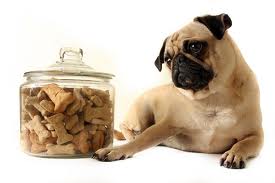
Keeping the dog treats in airtight containers with lids will keep them safe and secure from the dogs as well. They will not be able to help themselves when they feel like it. Use clear plastic or glass containers and write the dogs name on the outside of the container so that you know what dog treats are for what dog. This will make your life a whole lot easier because you will not be mixing up the treats. That will make your dog just as happy and satisfied as you are.

Photo : thepetstoreonline.com
Source

Tags
How to Choose Dog Treats,Dog Treats, Choose Dog Treats

Simple Solutions With Dealing And Overcoming Dog House Training Issues

Posted by Admin Sunday, August 5, 2012 0 comments
The best house training uses the dogs own instincts to avoid soiling its bed to train the dog where and where not to eliminate. That is the basis behind crate training, in which the dog is confined to its crate in the absence of the owner, and den training, in which the dog is confined to a small area of the home.

Simple Solutions With Dealing And Overcoming Dog House Training Issues

In essence, the crate, or the room, becomes the dog's den. Dogs are naturally very clean animals, and they try their best to avoid using their dens as toilets.

This type of training usually works very well, both for puppies and for older dogs. Problems with this type of toilet training are usually the result of not understanding the signals the dog is sending, not being consistent with feeding times, or trying to rush the process.

While the house training process can be sped up somewhat by consistently praising the dog and rewarding it for toileting in the proper place, some dogs cannot be rushed through this important process. It is always best to house train the dog properly the first time than to go back and retrain a problem dog.

If the dog continues to soil the den area after house training, the most likely reason is that the owner has left the dog in the den for too long. Another reason may be that the den area is too large. In this case, the best strategy is to make the den area smaller or to take the dog to the toilet area more frequently.

If the dog soils the bed that has been provided in the den area, it is most likely because the owner has left the dog there for too long, and the dog had an understandable accident. Or it could be that the dog has not yet adopted this area as the bed. In addition, urinary tract infections and other medical conditions can also cause dogs to soil their beds. It is important to have the dog thoroughly checked out by a veterinarian to rule out any medical problems.

One other reason for house training accidents that many people overlook is boredom. Dogs who are bored often drink large amounts of water and therefore must urinate more frequently than you might think. If you notice your dog consuming large amounts of water, be sure to take the dog to the established toilet area more often, and provide the dog with toys and other distractions to eliminate boredom.

Boredom is the root cause of many dog behavior problems, not only house training issues. Chewing and other destructive behaviors are also often caused by boredom and separation anxiety.

Other problems with house training can occur when the dog's den is not properly introduced. In some cases dogs can react to the den as if it is a prison or a punishment. Those dogs may exhibit signs of anxiety, such as whining, chewing and excessive barking. It is important for the dog to feel secure in its den, and to think of it as a home and not a cage.

The best way to house train a puppy or dog, or to re-house train a problem dog, is to make yourself aware of the dog's habits and needs. Creating a healthy, safe sleeping and play area for your dog, as well as a well defined toilet area, is important for any house training program.

House training is not always an easy process, but it is certainly an important one. The number one reason that dogs are surrendered to animal shelters is problems with inappropriate elimination, so a well structured house training program can literally be a lifesaver for your dog.

By Jonathan Cheong

Photo : examiner.com
Source

Tags
Dog House Training, dog training